
In the world of landscape photography, composition extends beyond mere subject placement. One subtle yet powerful element that defines the mood, guides the viewer’s eye, and enhances visual storytelling is the treatment of the image’s edges. From framing choices to border effects, understanding these nuances elevates a photograph’s impact and authenticity.
The Significance of Edge Treatment in Visual Composition
Edges act as the boundary between the viewer’s focus and the peripheral context, serving as visual gateways that can either draw attention inward or create a sense of pause. Photographers and editors have long manipulated borders and frames—physical and digital—to evoke specific emotional responses. For example, traditional darkroom techniques often employed vignetting or matte borders to focus viewers’ gaze.
Contemporary digital editing offers a spectrum of possibilities, from minimalist white borders to intricate overlays. A notable recent trend involves the use of a “dark frame icy border”, a stylistic element that combines contrast and cool tones to evoke a wintry atmosphere or amplify the subject matter’s starkness.
Understanding the dark frame icy border in Creative Contexts
| Feature | Description | Impact on Composition |
|---|---|---|
| Color Palette | Cool blues and icy hues encapsulate the border, suggesting cold environments or emotional distance. | Enhances mood, emphasizes the scene’s frigid setting, and separates the image from warmer, more inviting tones. |
| Texture & Finish | Textured borders resemble frost or ice crystals, adding tactile depth. | Creates a layered feel, drawing attention to the central subject while framing it within a frozen aesthetic. |
| Application Style | Applied digitally through overlays, it can be subtle or bold, with options like cracked ice or smooth frost. | Allows for versatile use across genres—from wildlife through winter landscapes to editorial imagery. |
Technical and Artistic Rationale for Border Effects in Contemporary Photography
In the era of high-resolution sensors and digital manipulation, borders serveboth functional and artistic purposes. They can help maintain aspect ratios, correct for uneven crops, or serve as stylistic signatures. The dark frame icy border specifically aligns with present-day trends in digital art, especially within the context of evocative winter-themed visuals or cold-toned landscapes.
“Borders like an icy frame don’t just contain an image – they contextualize it, adding mood and atmosphere that enhances emotional engagement,” notes visual arts critic Elena Marks.
Historical and Cultural Perspectives on Framing Edges
History reveals that borders in art and photography have served symbolic and functional roles:
- Renaissance paintings: Ornate gilded frames symbolised status and grandeur.
- Early photography: Plain borders or matts highlighted the central subject and protected the print.
- Modern digital art: Borders are used thoughtfully as compositional tools to lead viewer focus or evoke atmosphere.
This layered evolution underscores the importance of intentional border treatment as a component of storytelling.
Practical Applications and Creative Directions
For photographers seeking to incorporate an icy, dark frame into their work, the following strategies have proven effective:
- Layered overlays: Using software like Photoshop, blend frost textures into border layers for authenticity.
- Colour grading: Apply cool tones selectively to edges to achieve the icy effect.
- Contextual framing: Combine border styles with subject choice, such as snow-covered landscapes or frozen lakes, for narrative coherence.
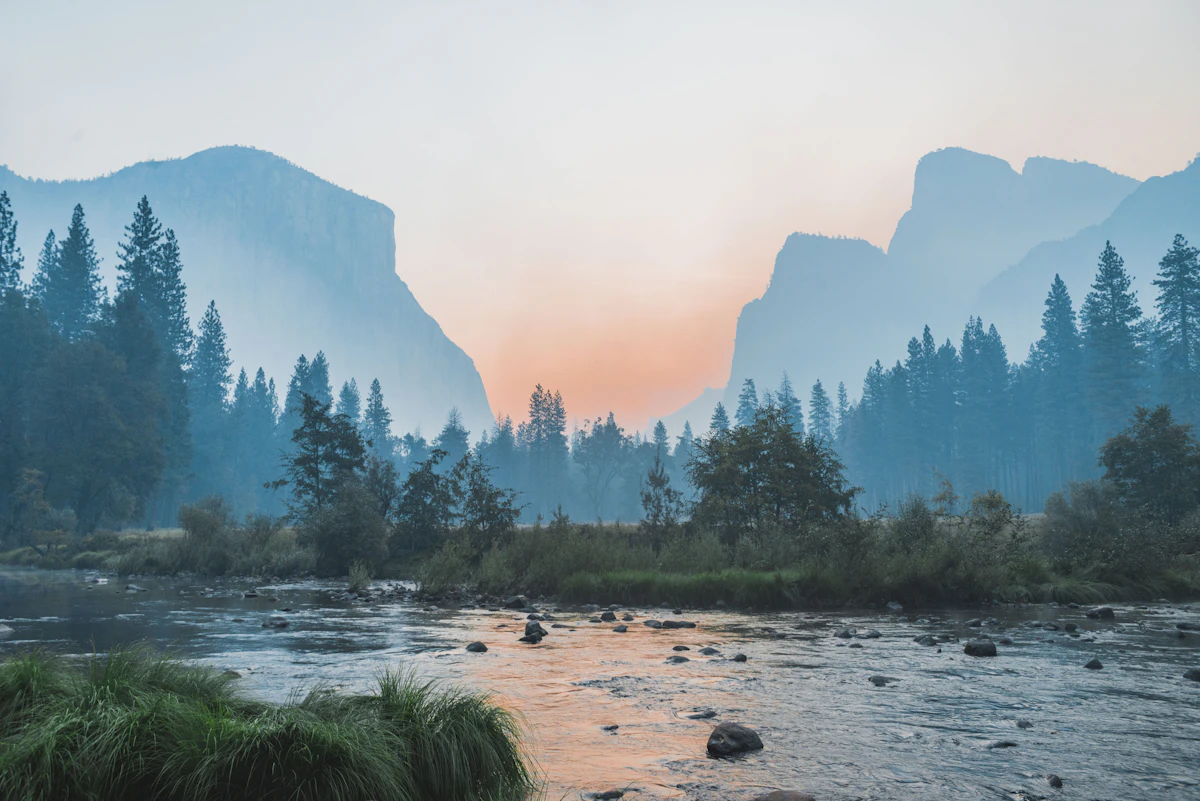
Sample winter landscape edited with an icy dark border (visual approximation for illustrative purposes)
Conclusion: Framing the Future of Visual Storytelling
Edges and borders, especially those inspiring a “dark frame icy border”, continue to evolve as vital elements in digital imaging. When thoughtfully integrated, they transcend mere aesthetic choice, becoming part of the narrative fabric that conveys mood, atmosphere, and emotional depth. As photographers and digital artists explore these tools, they push the boundaries of visual storytelling, reaffirming that sometimes, the edges are where the story begins.